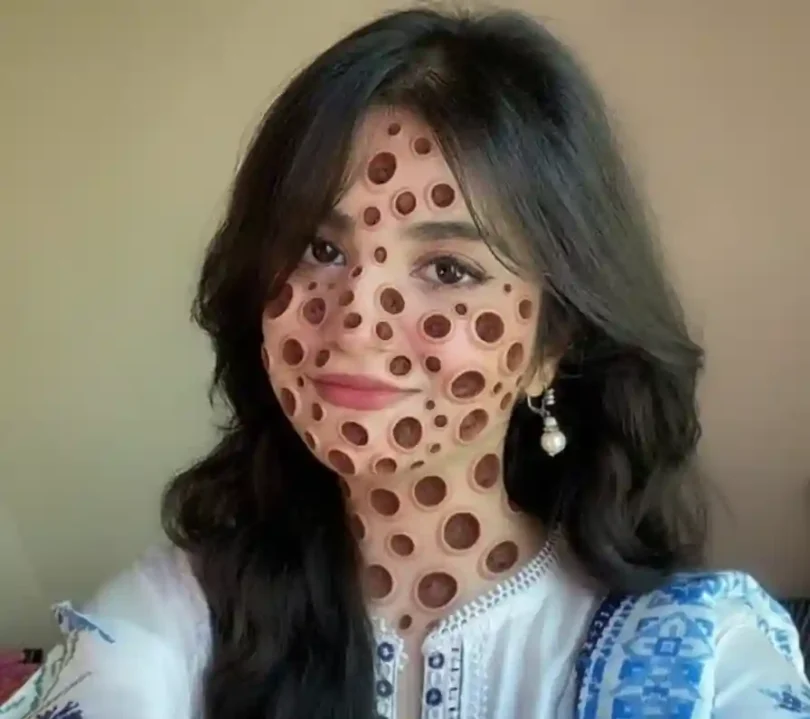

Skin is the largest organ of the body, and it often reflects our health. While some conditions are purely physical, others can trigger psychological discomfort. One such phenomenon that has gained attention in recent years is trypophobia, the intense fear or disgust caused by clusters of holes or repetitive patterns.
Though trypophobia itself is not a disease, many skin infections, allergies, or dermatological issues can create hole-like appearances on the skin, which can be mistaken for it. This article will cover the difference between real diseases and psychological triggers, how to cure skin conditions, and the best hospitals where treatment is available.
What is Trypophobia?
Trypophobia is not officially classified as a medical condition but rather a psychological response. People with trypophobia feel discomfort, fear, or even panic when they see clusters of small holes, bumps, or repetitive patterns.
Common triggers include:
- Lotus seed pods
- Beehives
- Coral patterns
- Certain skin diseases (such as pitted scars or fungal infections)
Skin Diseases That May Look Like Trypophobia
While trypophobia is psychological, several skin diseases create patterns resembling clusters of holes, which may trigger strong reactions.
1. Acne Scarring (Pitted Scars)
Severe acne can leave behind deep scars called “ice-pick scars” that resemble tiny holes in the skin.
Treatment Options:
- Laser resurfacing
- Microneedling
- Chemical peels
- Dermal fillers
2. Fungal Infections
Certain fungal infections like ringworm or sporotrichosis may cause circular patches or bumps that can look like clustered lesions.
Treatment Options:
- Antifungal creams (clotrimazole, ketoconazole)
- Oral antifungal medications (fluconazole, itraconazole)
- Maintaining proper hygiene
3. Parasitic Skin Infections
Conditions like cutaneous myiasis (caused by fly larvae under the skin) can create visible holes.
Treatment Options:
- Surgical removal of larvae
- Antibiotics to prevent infection
- Proper wound care
4. Viral Skin Diseases
- Molluscum contagiosum: Causes dome-shaped bumps with a central hole.
- Chickenpox scars: May leave pockmark-like indentations.
Treatment Options:
- Cryotherapy (freezing lesions)
- Laser treatment
- Topical creams
How to Cure Skin Conditions That Resemble Trypophobia
1. Home Remedies for Mild Cases
- Aloe vera gel – reduces inflammation and promotes healing.
- Tea tree oil – natural antifungal and antibacterial agent.
- Honey – has antimicrobial properties and helps with scar healing.
2. Medical Treatments
- Dermatologist consultation – essential for proper diagnosis.
- Prescription medications – antibiotics, antifungals, or antivirals depending on the condition.
- Advanced treatments – laser resurfacing, chemical peels, or surgery for deep scars.
3. Psychological Treatment for Trypophobia
Since trypophobia is often psychological, therapy may be necessary.
- Cognitive Behavioral Therapy (CBT) – helps reduce fear response.
- Exposure therapy – gradual desensitization to triggers.
- Relaxation techniques – meditation, breathing exercises, and mindfulness.
Best Hospitals and Clinics for Skin Diseases
United States
- Mayo Clinic (Rochester, Minnesota) – world-class dermatology department.
- Cleveland Clinic (Ohio) – advanced skin disease research and treatment.
- Johns Hopkins Hospital (Baltimore, Maryland) – specializes in dermatology and infectious diseases.
United Kingdom
- St. John’s Institute of Dermatology (London) – one of the best dermatology centers in Europe.
- Royal Free Hospital (London) – specializes in skin and allergy treatments.
Middle East
- American Hospital Dubai (UAE) – advanced dermatology and cosmetic treatments.
- Hamad Medical Corporation (Qatar) – top-tier medical facilities with dermatology services.
Asia
- Apollo Hospitals (India) – offers both cosmetic and medical dermatology treatments.
- Seoul National University Hospital (South Korea) – advanced laser and scar treatment technologies.
Prevention of Skin Conditions That Resemble Trypophobia
- Maintain good skin hygiene – wash with mild cleansers.
- Use sunscreen daily to prevent scarring.
- Avoid scratching or picking at acne and wounds.
- Eat a balanced diet rich in vitamins A, C, and E for healthy skin.
- Stay hydrated and manage stress.
Conclusion
While the image of holes on the skin may appear frightening, it’s important to understand that trypophobia is more of a psychological response than a disease. However, certain skin conditions like fungal infections, parasitic infestations, and acne scars can mimic these patterns.
Treatment depends on the underlying cause: home remedies, medical creams, advanced dermatological procedures, or psychological therapy. For the best results, consulting a qualified dermatologist at a reputable hospital is highly recommended.